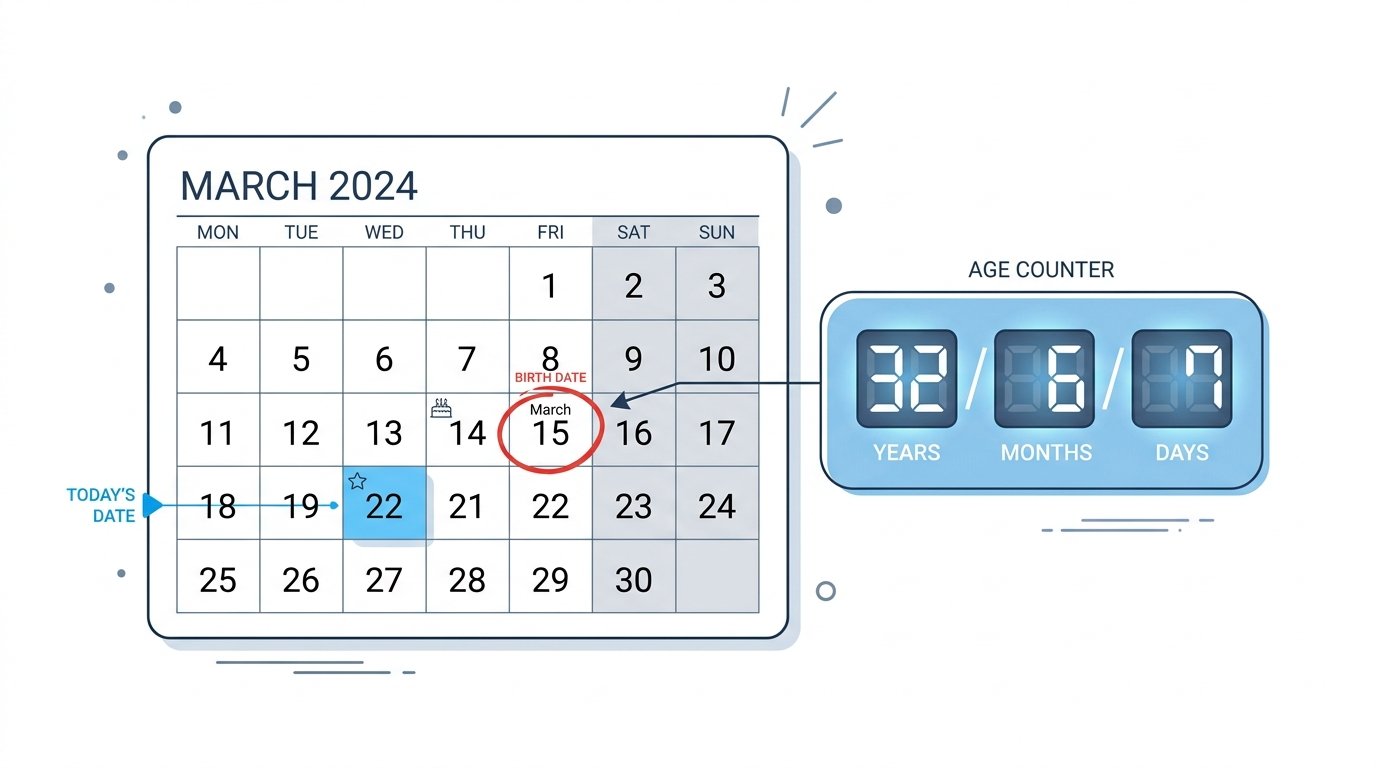
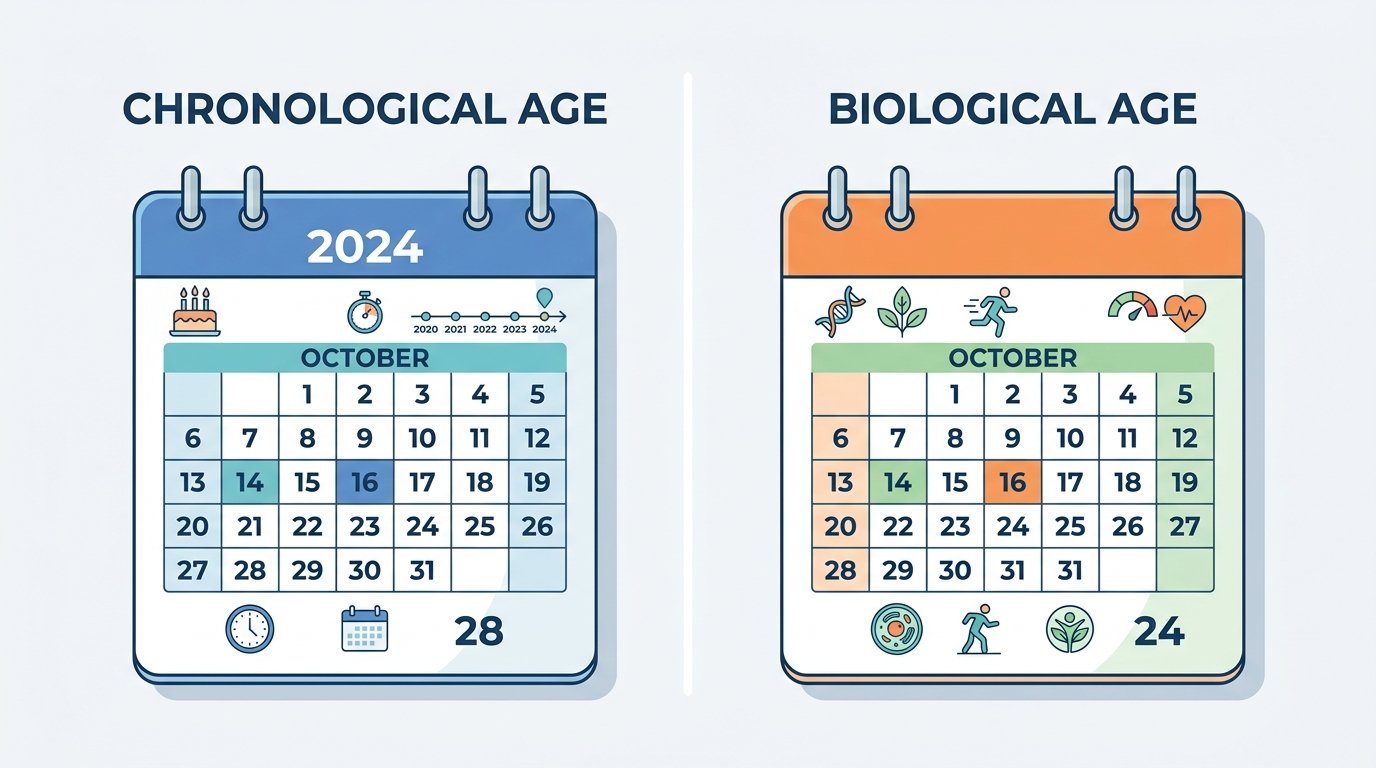
Your chronological age is a fixed number — the exact time elapsed since your birth date, calculated the same way an age calculator does it. Your biological age is a different kind of number entirely: an estimate of how your body is functioning compared to others of the same chronological age. The two can match closely, or they can diverge significantly, and that gap is what makes biological age a topic of interest beyond simple curiosity.
What Chronological Age Measures
Chronological age is exact and undisputed — it’s the number on a passport, a driver’s license, a birth certificate. It increases by exactly one every year, on the same calendar date, regardless of anything else happening in a person’s life. It’s what an age calculator returns when you enter a date of birth.
What Biological Age Measures
Biological age looks at the actual condition of the body — cellular health, organ function, and markers linked to how well the body is holding up over time — rather than the calendar. It’s typically estimated using a combination of biomarkers: blood tests, physical assessments, and increasingly, models built from large health datasets. There’s no single agreed-upon test for it, which is part of why estimates can vary between methods.
Why the Two Can Differ
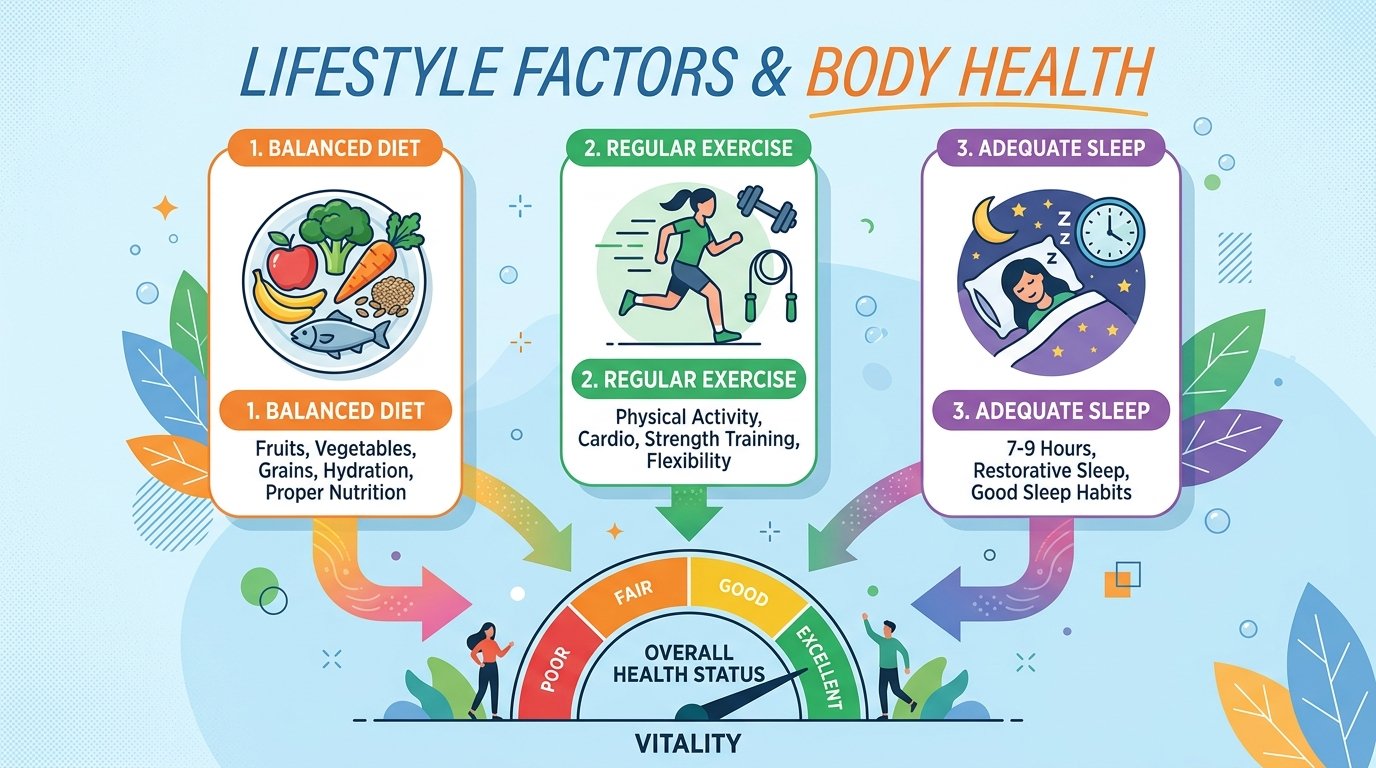
Lifestyle factors — diet, physical activity, sleep, smoking, and chronic stress — influence how the body ages independently of how much calendar time has passed. Someone who is chronologically 50 with consistently healthy habits may show a biological age closer to 40. The reverse is also true: someone chronologically younger with a long history of poor health habits can show an older biological age. Genetics plays a role too, though research increasingly points to lifestyle as the larger factor in that gap.
Why This Distinction Matters
Chronological age alone doesn’t fully predict health outcomes — biological age has, in some research contexts, shown a stronger association with disease risk and mortality than chronological age does on its own. That’s part of why interest in biological age testing has grown in preventive health circles, even though it remains a research-adjacent, imperfect measurement rather than a precise clinical standard.
It’s worth being clear-eyed here: biological age estimates vary by the method and biomarkers used, and no single test is considered definitive. It’s a useful complementary signal, not a replacement for chronological age or medical advice from a qualified professional.
The Two Together
Chronological age remains the number used for legal, administrative, and everyday purposes — forms, eligibility, birthdays. Biological age is a separate, evolving concept used mainly in health and longevity contexts. Neither replaces the other; they answer different questions.
Try It Yourself
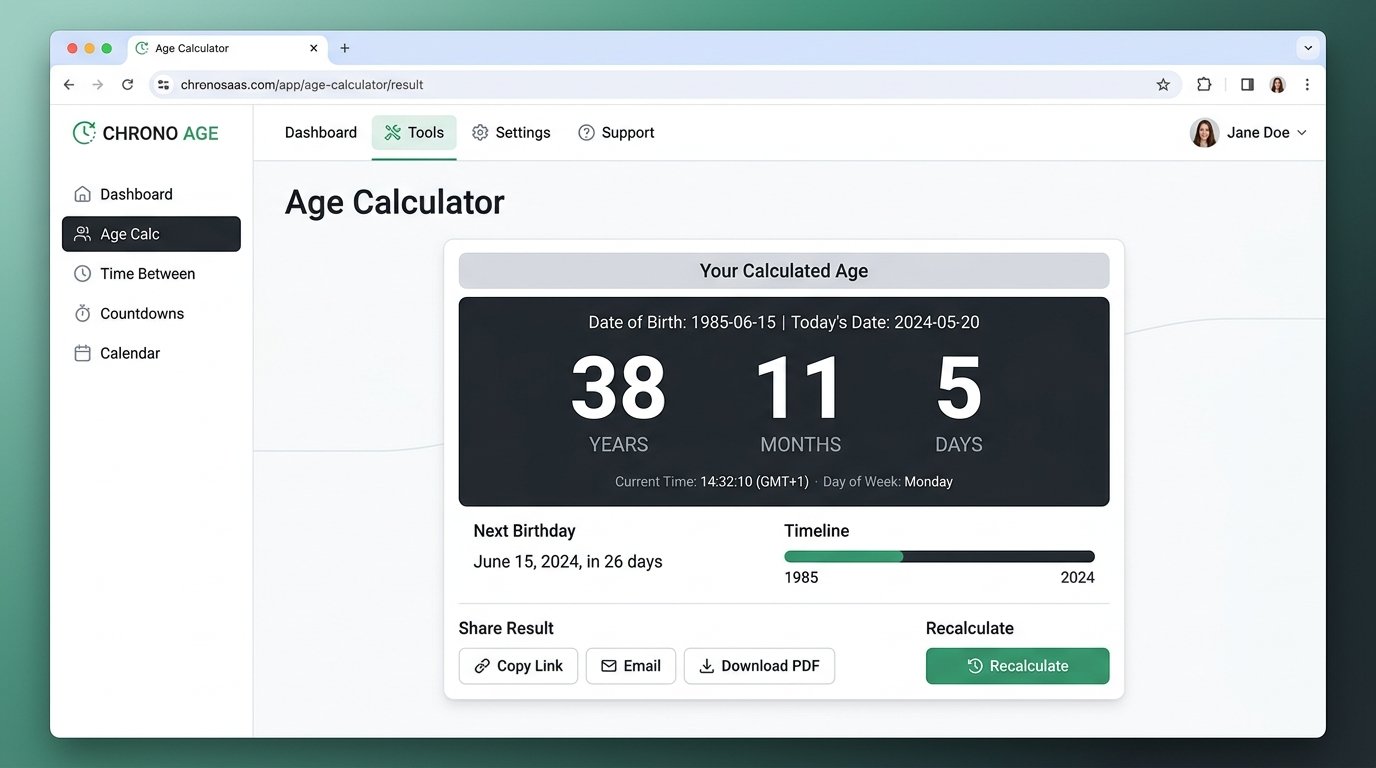
Our Age Calculator gives you your exact chronological age in years, months, and days from your date of birth. If you’re tracking a specific milestone or event date instead, the Days Between Dates calculator and Add/Subtract Days tool both work off the same underlying date math.